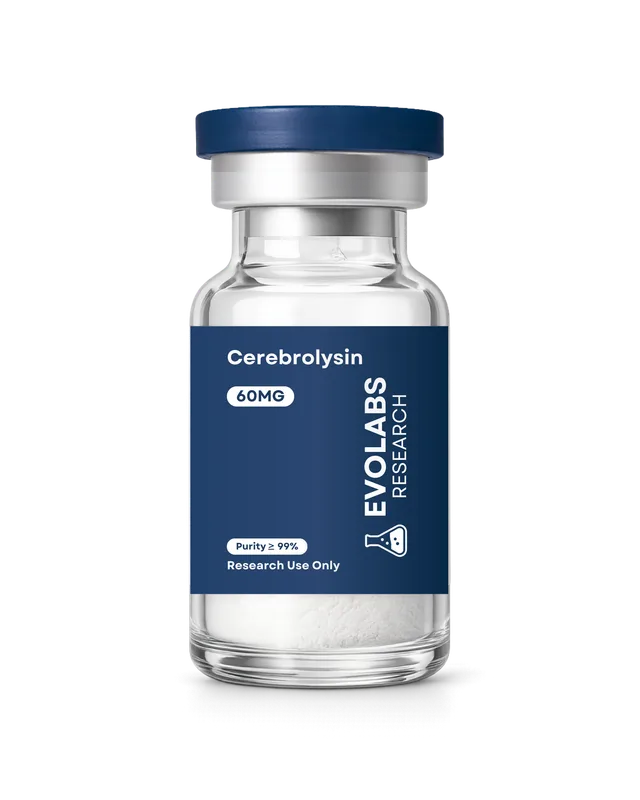
Cerebrolysin
A neuropeptide mixture derived from porcine brain protein. Cerebrolysin is studied for neuroprotection, neuroplasticity, and cognitive function in neuroscience research.
Compound Profile
Pharmaceutical Data Sheet
Mechanism of Action
How Cerebrolysin Works
Cerebrolysin is a standardized mixture of low-molecular-weight neuropeptides and free amino acids derived from purified porcine brain proteins. It exhibits neurotrophic activity mimicking BDNF, NGF, and CNTF. Its multi-target mechanism reduces excitotoxicity, inhibits free radical formation and microglial neuroinflammation, promotes neurogenesis through Sonic hedgehog (Shh) signaling, and enhances synaptic density for neuroplasticity.
- Mimics BDNF, NGF, and CNTF activity via Trk receptors
- Inhibits excitotoxicity and calpain-mediated apoptosis
- Reduces microglial activation and neuroinflammation
- Activates Shh signaling for neurogenesis and gliogenesis
- Promotes oligodendrogenesis (myelin repair)
- Supports neural stem cell differentiation
- Increases synaptic density post-injury
- Preserves neural communication networks
- Enhances motor and cognitive functional recovery
Cerebrolysin peptide fractions activate neurotrophic signaling cascades similar to BDNF and NGF via Trk receptors and PI3K/Akt pathways, promoting neuronal survival and synaptogenesis. Through Shh pathway activation, it stimulates neurogenesis and oligodendrogenesis. In recovery phases, it enhances neuroplasticity by increasing synaptic density and preserving neural communication networks.
Bornstein N et al., Stroke (2018): CARS trial β Cerebrolysin and recovery after stroke.
Preclinical Findings
Research Models
Clinical Data
CARS Trial: Superior Motor Recovery at Day 90 (P<0.0001)
The CARS (Cerebrolysin and Recovery After Stroke) trial β a prospective, randomized, double-blind, placebo-controlled, multicenter study β treated stroke patients with 30 mL/d IV Cerebrolysin or placebo for 21 days (24β72 hrs post-stroke). Results showed large superiority on the Action Research Arm Test at day 90 (P<0.0001). A separate TBI meta-analysis (5 studies, n=5,685) found significantly improved Glasgow Outcome Scale scores (SMD=0.30, P<0.001).
Bornstein N et al., Stroke (2018): CARS; Ghaffarpasand F et al., J Crit Care (2019): TBI meta-analysis.
CARS multicenter double-blind RCT; TBI meta-analysis n=5,685 (5 studies)
Research Outcomes
Key Research Success Metrics
Safety Profile
Research Safety Notes
- Generally safe as adjunct treatment β approved and used clinically in over 50 countries
- Well tolerated in CARS trial at 30 mL/d IV for 21 days post-stroke
- Mild adverse events: headache, dizziness, injection site reactions
- Not FDA-approved in the USA, Canada, or Australia
- Some clinical studies showed limited clinical relevance β results are inconsistent across trials
Cerebrolysin is not approved in the USA, Canada, or Australia. Clinical evidence shows potential benefits but results are inconsistent. For research use only.
About Cerebrolysin
A neuropeptide mixture derived from porcine brain protein. Cerebrolysin is studied for neuroprotection, neuroplasticity, and cognitive function in neuroscience research.
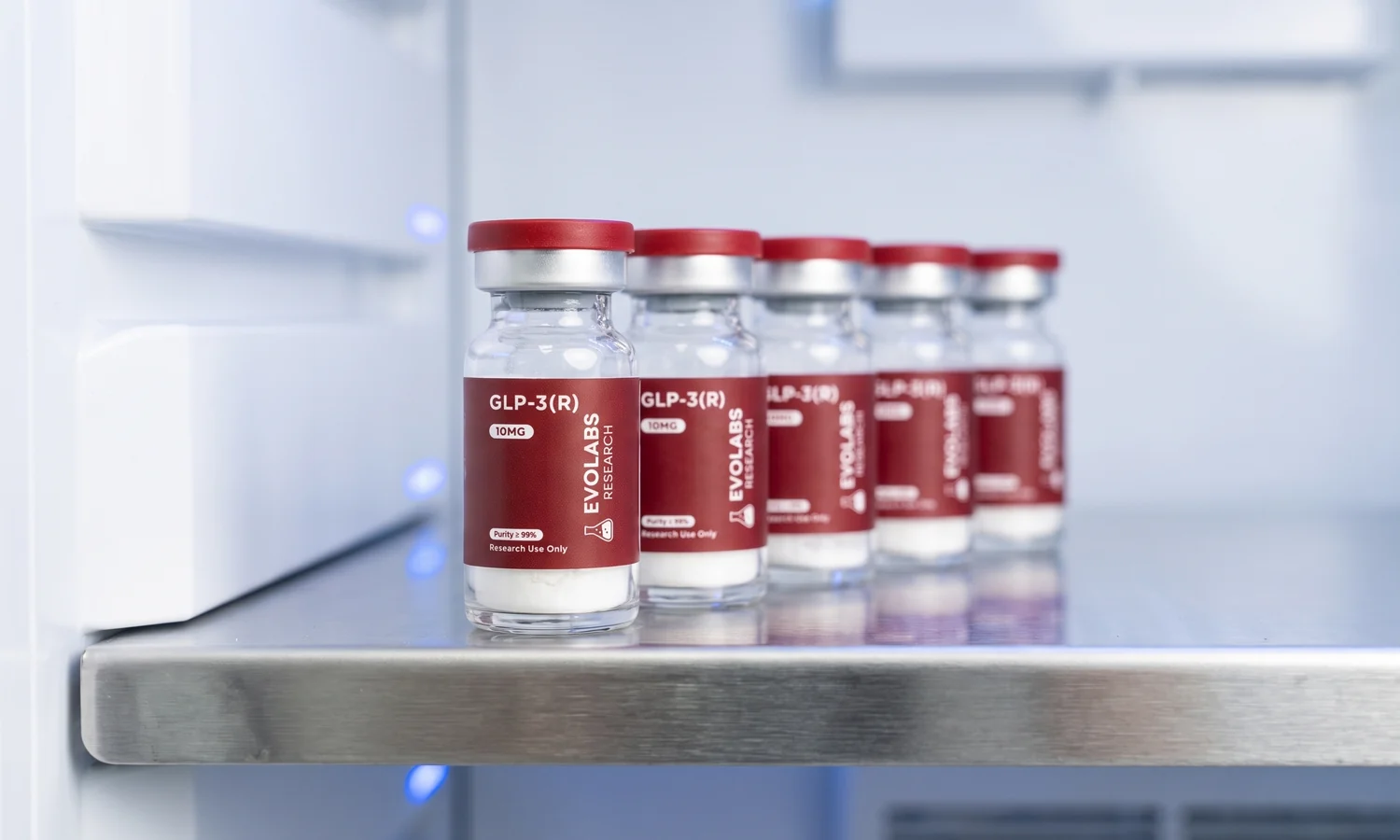
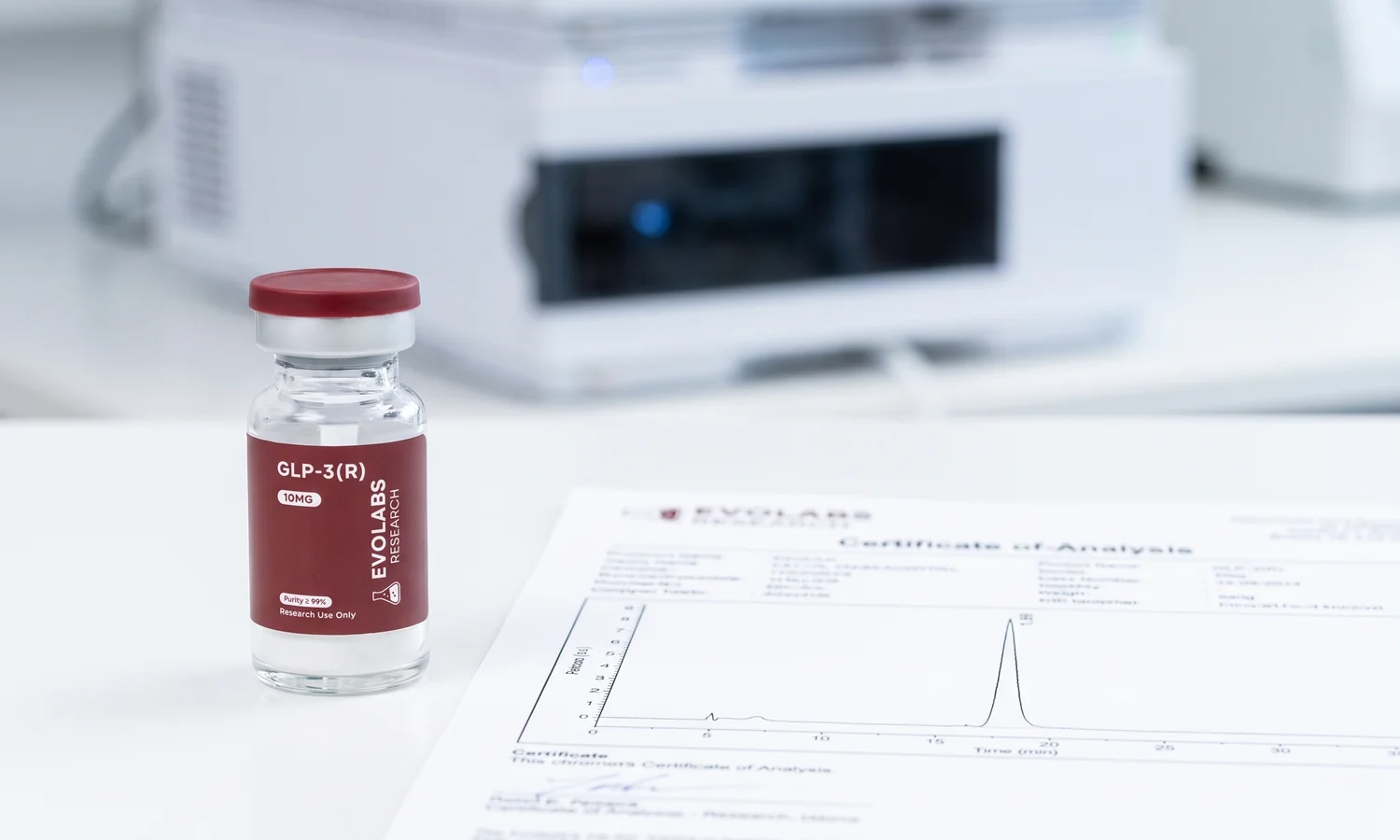
All EVO Labs Research compounds are manufactured to research-grade standards and independently tested by Janoshik Analytical (Prague, est. 2013). The Certificate of Analysis for this compound includes full HPLC chromatography data, mass spectrometry confirmation, net purity percentage, and net content verification.
Research Use Only
This product is strictly for in vitro research and laboratory use only. Not for human or veterinary consumption. By purchasing, you confirm use in a controlled research setting.